ENFP in Love: Why They Chase Intensity, Fear Being Trapped, and How They Commit
Tommy Sherma
10/15/2026

The core truth of ENFP in love: why they chase intensity, fear being trapped, and how they commit is that emotional aliveness creates bonding while autonomy keeps it alive. An ENFP rarely runs from commitment itself; they run from a commitment that feels like a locked room with no windows. If you want the wider personality framework behind that pattern, the MBTI personality test guide maps the cognitive wiring that drives it.
Maya, an ENFP reader, described a relationship that looked perfect on paper. Her partner was steady, kind, and consistent. Then he asked her to move in, and her chest tightened. She did not want to leave him. She wanted to leave the version of herself she was afraid she would become: the one who stopped saying yes to midnight walks, spontaneous road trips, and deep conversations with strangers. That paradox is the center of the ENFP love story. They want a home base, not a cage. They want devotion that still has a pulse.
ENFP in Love: Why They Chase Intensity, Fear Being Trapped, and How They Commit
The Spark Is Not Drama — It Is Information
For an ENFP, intensity is not a hobby. It is a nervous system signal that says, I am fully here. A dull conversation can feel physically distant. A partner who shares a new idea, notices a strange detail, or asks a vulnerable question can make the whole room brighter. That does not mean every ENFP wants chaos. It means they bond through emotional movement.
The confusion starts when intensity and anxiety get mixed together. Anxiety says, I need this person to keep proving they will not leave. Intensity says, I feel alive with this person, and I want to keep choosing them. One is fear wearing a sparkly outfit. The other is genuine connection. ENFPs often need time — and a few painful lessons — to tell the difference.
Why Calm Can Feel Like Rejection
A steady partner can feel like a relief to many types. For an ENFP, steady can sometimes read as flat, distracted, or already gone. If the emotional temperature drops, an ENFP may start inventing reasons: They are bored. They are hiding something. They are not really in love. This is not fair to the partner, but it is a common pattern.
The fix is not to manufacture drama. It is to add honest aliveness. Curiosity, play, deep questions, and shared novelty can give an ENFP the emotional oxygen they need without turning the relationship into a roller coaster.
Intensity vs. Anxiety: A Critical Difference
- Intensity: You feel expanded, curious, and more yourself around the person.
- Anxiety: You feel smaller, obsessed with monitoring, and unable to focus.
- Intensity: You can enjoy the connection even when the other person is not performing.
- Anxiety: You need constant proof, reassurance, or escalation to feel safe.
- Intensity: The relationship adds energy to your life.
- Anxiety: The relationship drains energy from everything else.
If an ENFP cannot tell the difference, they may chase a partner who treats them badly and call it passion. The work is to name the feeling before acting on it.

Why ENFP Love Starts Fast and Clarifies Slow
ENFPs often experience attraction as a full-body yes. They notice possibility before they notice logistics. A shared sense of humor, a strange book on a partner's shelf, or a single moment of emotional honesty can open a door that seems to go on forever. That speed is not a sign of shallowness. It is how their intuition gathers data.
Chemistry as a Bonding Language
For many ENFPs, chemistry is not just physical. It is the feeling that two people can build a world together. They fall for the way someone thinks, the way they laugh at themselves, the way they light up when talking about a weird obsession. This is why an ENFP may overlook practical incompatibilities early on. They are reading the emotional blueprint, not the lease agreement. Read more in the hermit love reading pull away.
A partner who needs linear reassurance may read this as mixed signals. The DISC personality test guide can help both sides see that speed is a style difference, not a verdict. One person is not wrong for moving fast; the other is not cold for asking questions.
The Potential Trap
The ENFP superpower is seeing potential. The ENFP trap is falling in love with potential instead of reality. They may think, If I just love them enough, they will open up. Or, Once this hard season passes, the real relationship will begin. Sometimes that is true. Often it is a story that keeps them invested in a dynamic that already hurts.
A useful question: Am I in love with who this person is today, or with who I believe they could become? The first can grow. The second is a project, not a partnership.
What Slow Clarity Looks Like
Slow clarity does not mean being cold. It means letting the relationship reveal itself over time and in ordinary moments. Can this person handle a boring Sunday? Can they apologize without collapsing? Do they ask about your inner life when you are not performing? ENFPs do not need to stop being excited. They need to let excitement sit next to observation.
This is where many ENFPs discover that love is not only a feeling. It is also a series of small decisions. The partner who makes you feel alive on a date may not be the partner who can sit with you through a difficult week. Both matter. The ENFP who learns to value consistency without calling it boredom becomes much harder to trap — and much easier to love well.
Why ENFPs Fear Being Trapped in Relationships
The fear of being trapped is one of the most misunderstood parts of the ENFP love pattern. From the outside, it can look like commitment phobia. From the inside, it feels like a survival alarm. The ENFP is not afraid of choosing someone. They are afraid of losing the ability to choose themselves. For more on this, see the horoscope guide daily cosmic forecast.
The Cage Test: Rules, Routines, and Surveillance
ENFPs do not usually panic at routine itself. They panic when routine becomes a test of love. A partner who says, If you loved me, you would text every hour is not asking for connection. They are building a cage with guilt as the bars. The same goes for constant check-ins, jealousy disguised as concern, and rules that apply to one person but not the other.
An ENFP can live with structure. They cannot live with surveillance. They need to know that their spontaneity is not a threat to the relationship, and that their need for solitude is not a betrayal.
Freedom Is Not Avoidance
It is tempting to call every ENFP escape a commitment issue. Sometimes it is. But freedom and avoidance are not the same thing. Avoidance says, I will leave before you can leave me. Freedom says, I need space to breathe so I can come back as a whole person. One is fear. The other is a need.
The difference shows up in follow-through. An avoidant ENFP disappears, leaves confusion behind, and avoids repair. A healthy ENFP asks for space, names a return time, and keeps their word. If you also use astrology, /angel-numbers can be a playful second lens, but it should never replace the direct conversation about space.
What Safety Actually Requires
Safety for an ENFP is not a tracking app. It is the confidence that honesty will not be punished. They need to say, I feel smothered without their partner hearing, You are leaving me. They need to hear, I need more reassurance without the ENFP hearing, You are not allowed to have a life.
That kind of safety is built in small moments. A partner who can listen without turning every feeling into a crisis will get more loyalty from an ENFP than a partner who demands constant proof. The ENFP, in turn, must learn to offer clarity instead of mystery. Freedom grows where trust is practiced, not where it is tested.
How ENFPs Commit Without Feeling Caged
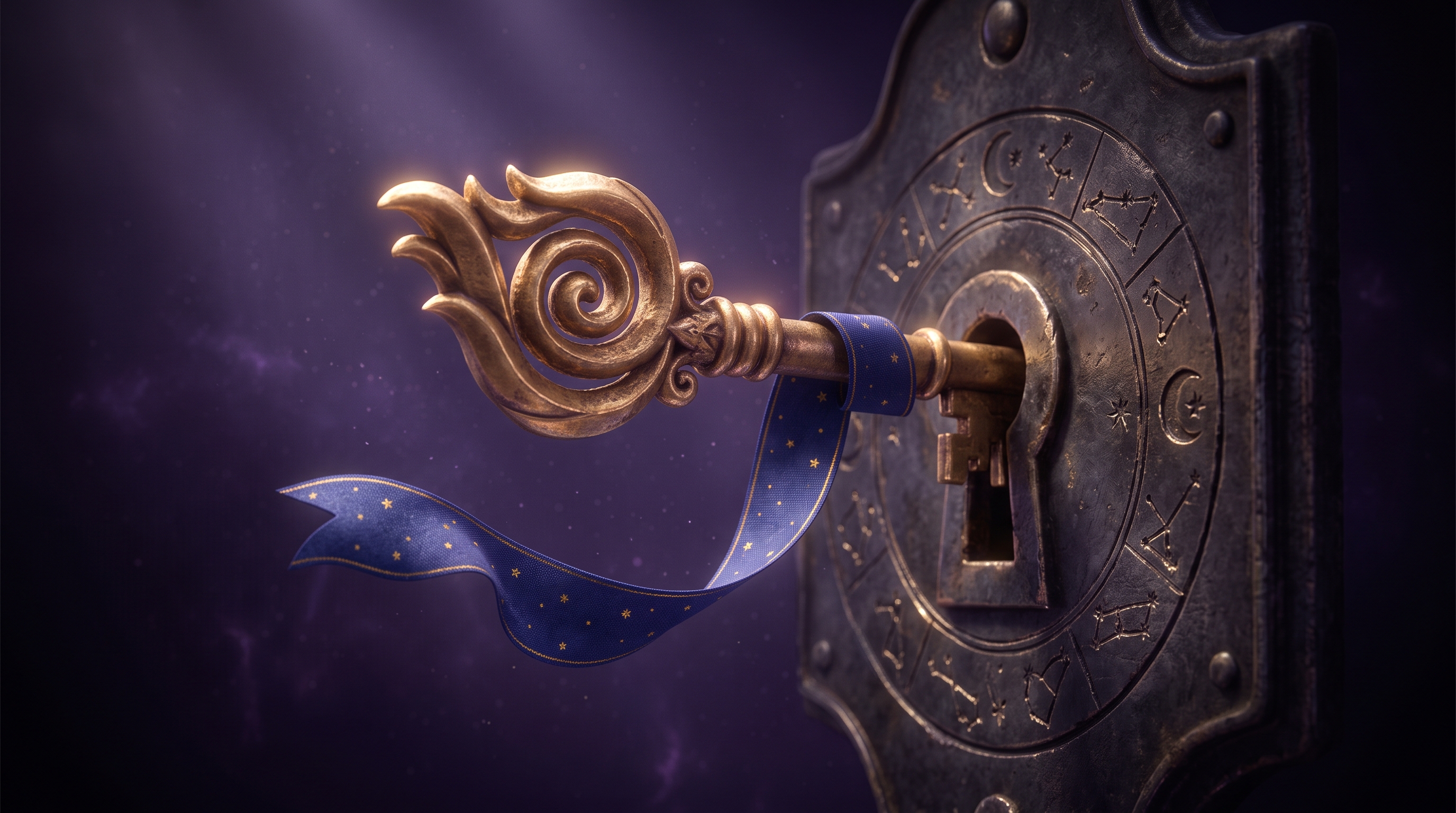
The popular search ENFP in love: why they chase intensity, fear being trapped, and how they commit usually leads to the same practical answer: commitment works for an ENFP when it feels chosen, not enforced. They can absolutely build a long, devoted partnership. They just need the door to stay unlocked — not because they plan to leave, but because the unlocked door makes staying a daily choice instead of a sentence. Dive deeper with the intj love quiet commit.
Chosen Commitment vs. Contractual Commitment
Contractual commitment says, We are together, so you owe me these behaviors. Chosen commitment says, I am here because I want to be here, and I will keep choosing you through ordinary Tuesdays. The first can feel like a cage. The second feels like a home.
This does not mean ENFPs are exempt from responsibility. A committed ENFP still shows up, communicates, and keeps agreements. The difference is that the agreement is alive. It is revisited, repaired, and refreshed. It is not used as a weapon.
The Two Yeses
ENFPs often need two yeses before they can fully commit:
- The emotional yes: I want this person. I feel alive with them. I can be honest with them.
- The freedom yes: I can still be myself here. My solitude, curiosity, and spontaneity are welcome, not tolerated.
When either yes is missing, the ENFP may stay physically present but emotionally disappear. When both are present, they can be remarkably loyal. They will fight for the relationship, plan a future, and bring a level of warmth that surprises people who only saw the flighty stereotype.
Scripts for Honest Conversations
ENFPs often avoid direct requests because they fear hurting the other person. That avoidance creates the exact trap they fear. A better script is specific and kind:
- I love being close to you. I also need one evening a week that is completely unscheduled. Can we protect that?
- When you ask me where I am every hour, I feel watched. I want to tell you about my day. I need it to be a gift, not a report.
- I am not leaving. I am going quiet for a few hours to recharge. I will text you when I am back.
- I want to commit. I also want us to keep some mystery and play. Can we plan something new together this month?
These lines are not ultimatums. They are instructions for loving an ENFP well. They also give the partner a chance to respond with care instead of panic. Commitment becomes a shared project rather than a unilateral demand.
Green Flags and Red Flags in ENFP Relationships
ENFPs can mistake intensity for compatibility. The table below separates the two. Use it as a mirror, not a script. No relationship is all green or all red, but patterns matter more than one bad night.
| Green Flag | Red Flag |
|---|---|
| You feel more yourself around them | You feel smaller, quieter, or constantly on edge |
| They ask about your inner life | They only want the highlight reel |
| They give space without punishment | They punish you for needing space |
| Conflict leads to repair | Conflict leads to silent treatment or blame |
| They celebrate your spontaneity | They treat your spontaneity as a threat |
| You can say no without a fight | Every no becomes a negotiation |
| They have their own life | They expect you to be their entire emotional world |
| Commitment feels chosen | Commitment feels like a cage with a nicer paint job |
How to Read the Table Without Panicking
One red flag does not mean the relationship is doomed. A pattern of red flags does. If you notice yourself scanning the table and feeling relief when your partner hits the green column, that is useful data. If you feel a pit in your stomach because most of the red column looks familiar, that is also useful data.
If recurrent dreams about being chased show up when a partner gets serious, the dream interpretation guide explains why pursuit dreams often mirror attachment pressure. The dream is not a prophecy. It is a signal that your nervous system wants a conversation.

The ENFP Breakup Loop and the Honesty Audit
ENFPs can leave relationships suddenly from the outside, but the decision usually builds quietly. They tolerate, adapt, hope, and give second chances. Then one day the emotional account is empty, and they are gone. The problem is that they often skip the honest conversation that could have changed things.
Exit as a Pressure Valve
Leaving can feel like the only way to breathe when an ENFP has not learned to ask for space. The exit becomes a pressure valve. It releases the tension, but it does not solve the pattern. They may come back, feel trapped again, and leave again. The cycle continues until they learn to speak before they disappear.
The Honesty Audit Questions
Before ending a relationship — or before recommitting — an ENFP can run an honesty audit:
- Am I leaving because this relationship is wrong, or because I am afraid of being seen?
- Have I actually asked for what I need in plain language?
- Am I chasing intensity somewhere else because I feel invisible here?
- Do I want freedom, or do I want escape?
- If nothing changed for a year, would I still choose this person?
The answers do not always point in one direction. They point toward truth. An ENFP who can tolerate that truth without dramatizing it becomes a powerful partner.
Growth Exit vs. Habit Exit
A growth exit happens after honest attempts, clear communication, and a real understanding that the relationship cannot meet basic needs. A habit exit happens when discomfort shows up and the ENFP runs before understanding it. One closes a chapter. The other repeats a lesson.
The difference is not always obvious in the moment. That is why the honesty audit matters. It slows the ENFP down enough to choose instead of react. It also protects the partner from being blindsided by a decision that was never spoken aloud.
How to Love an ENFP Without Losing Yourself
Loving an ENFP can be exhilarating and exhausting. The key is to match their energy without chasing them. You do not need to become a firework to keep their attention. You need to be a stable flame that also knows how to dance.
For Partners: Match Energy Without Chasing
Ask curious questions. Say yes to spontaneous plans when you can. Keep your own life full. ENFPs are drawn to people who have their own spark. If you make them your whole world, they may feel responsible for your happiness, and that pressure becomes the cage they fear.
For ENFPs: Ask for Space Before You Vanish
Do not wait until you are suffocating to speak. Say the need early, when it is small. I need a quiet night is easier to hear than I cannot do this anymore. The earlier you name the need, the less likely it is to become a crisis. This is also how an ENFP proves that freedom is not a rejection of the relationship.
The Weekly Check-In That Prevents Panic
Set aside a short weekly conversation with three questions:
- What felt alive between us this week?
- What felt heavy or confusing?
- What do we each need more of next week?
This check-in gives the ENFP emotional movement and gives the partner clarity. It turns vague anxiety into specific requests. If you want to test the practical fit before a difficult conversation, try the love compatibility tool and bring the results into the room as a prompt, not a verdict.
ENFPs are not afraid of love. They are afraid of love that costs them their aliveness. When they feel free, they often choose commitment with surprising depth. When they feel caged, they will run toward any open window — even one that leads nowhere. The work is to build a relationship where the door is open and they still want to stay. Try MBTI to understand your type and your partner's type more clearly, then use that language to ask for what you actually need.