DISC Personality Test: Complete Guide to the 4 Types and Your Workplace Soul Blueprint
Tommy Sherma
9/1/2026

The DISC personality test is a behavioral assessment that measures how people act and communicate across four core styles: Dominance, Influence, Steadiness, and Compliance. As the most widely used workplace behavioral framework, it explains why some people charge into decisions while others quietly hold a team together. This guide covers what the DISC model measures, the meaning of all four types, and how to use your results to communicate better and lead smarter.
What Is the DISC Personality Test?
DISC is a behavioral assessment built on a model developed by psychologist William Moulton Marston in 1928. Where many frameworks dig into your inner identity, DISC focuses on something more observable: how you behave — how you respond to problems, people, pace, and procedures.
The name is an acronym for the four behavioral dimensions:
- D — Dominance: how you handle challenges and assert control
- I — Influence: how you interact with people and persuade others
- S — Steadiness: how you respond to change and maintain stability
- C — Conscientiousness: how you approach rules, quality, and accuracy
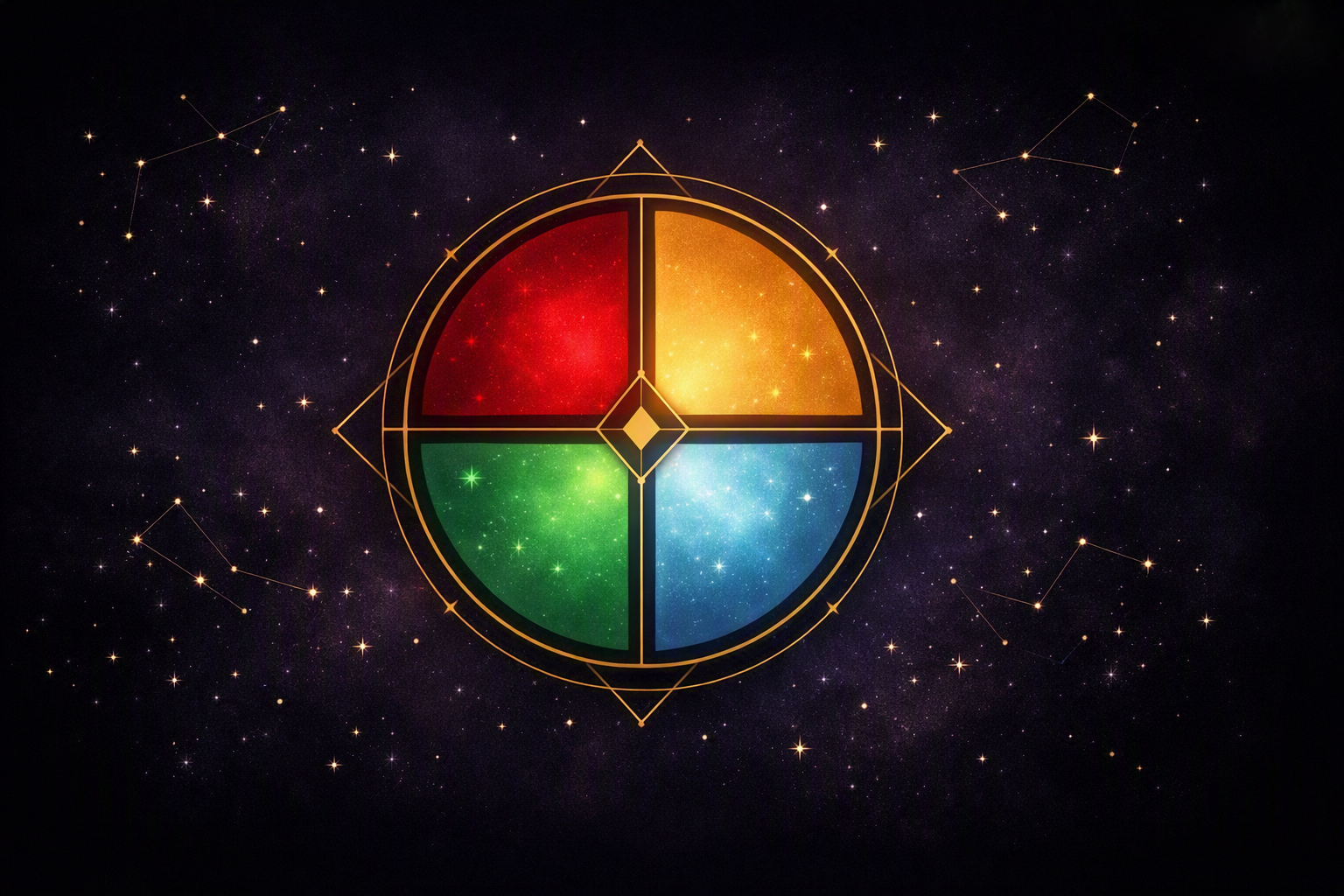
Most people are a blend of two or three types, with one or two dominant energies. That blend is your behavioral fingerprint — the pattern that explains why you thrive in some environments and feel drained in others.
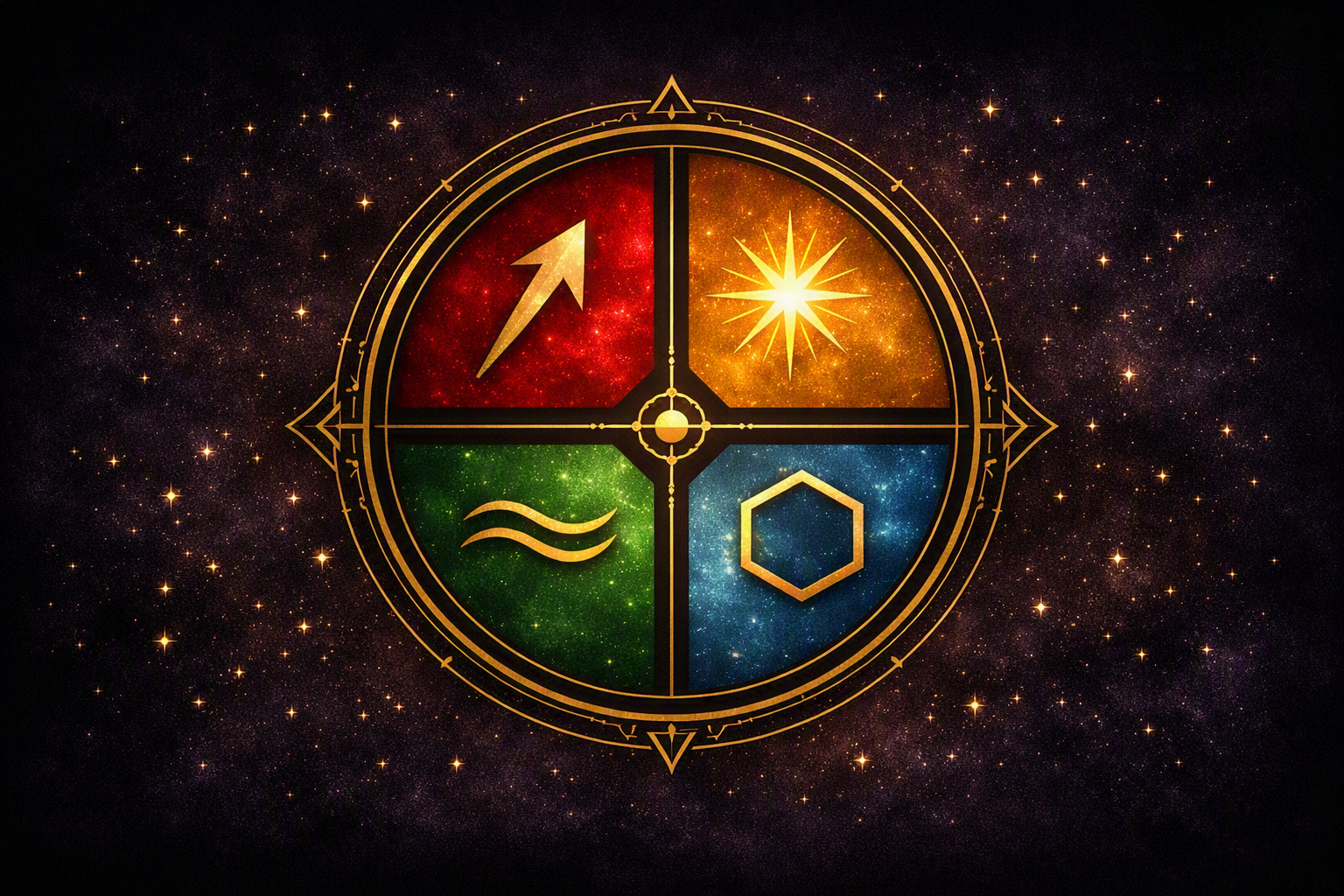
The Four DISC Types in Detail
D — Dominance: The Driven One
Core energy: direct, decisive, results-focused.
D-types move fast. They want the bottom line, they're comfortable making calls with incomplete information, and they'd rather ask forgiveness than permission. Their gift is momentum — they cut through hesitation and get things moving. Their growth edge is patience: slowing down enough to bring others along and to notice details they've raced past.
You may be a D if: you feel energized by challenges, frustrated by long meetings, and tempted to finish other people's sentences — and their tasks.
I — Influence: The Connector
Core energy: enthusiastic, persuasive, people-focused.
I-types are the social catalysts. They think out loud, generate ideas freely, and genuinely believe enthusiasm is contagious — because for them, it is. Their gift is rapport: they open doors, warm up rooms, and make people feel seen. Their growth edge is follow-through — staying with a task after the excitement fades.
You may be an I if: you process by talking, you know everyone's name, and a spreadsheet sounds mildly tragic to you.
S — Steadiness: The Anchor
Core energy: calm, loyal, consistency-focused.
S-types are the quiet infrastructure of every good team. They listen fully, remember what matters to you, and create an atmosphere where people feel safe. Their gift is stability — they finish what they start and hold groups together through turbulence. Their growth edge is speaking up early: their aversion to conflict means concerns often surface later than they should.
You may be an S if: you're the person everyone brings their problems to, and you secretly wish change would slow down.
C — Conscientiousness: The Craftsperson
Core energy: precise, analytical, quality-focused.
C-types believe that how something is done matters as much as whether it gets done. They research before they act, catch the error everyone else missed, and hold standards that others eventually thank them for. Their gift is accuracy and judgment. Their growth edge is flexibility — learning when "good enough today" beats "perfect next week."
You may be a C if: you read the terms and conditions, notice the typo, and feel a quiet rage when someone says "details don't matter."
How the DISC Assessment Works
A DISC test typically presents you with a series of statements and asks how naturally each one describes you — or asks you to choose which words fit you most and least. There are no right answers, because there are no better types. Every profile has strengths and blind spots.
Most assessments take 10–15 minutes and return a report showing:
- Your primary and secondary types — your dominant blend
- Your behavioral tendencies under normal conditions
- Your adapted style — how you modify your behavior at work
- Your stress triggers and how you tend to react under pressure
- Communication guidance for interacting with other types
That gap between your natural style and your adapted style is one of DISC's most valuable insights. If you're a high-I who has learned to behave like a C at work, that gap costs energy every day — and knowing it exists is the first step to managing it consciously.
DISC vs. MBTI vs. Enneagram: Which One Should You Use?
DISC is often mentioned alongside the other two great personality frameworks, and they genuinely measure different things:
- DISC describes your observable behavior — what you do, especially at work.
- MBTI describes your cognitive preferences — how your mind takes in information and makes decisions. If you want a deeper map of your inner architecture, our complete MBTI guide to the 16 types goes far beneath the surface.
- The Enneagram describes your core motivations and fears — the invisible engine driving your behavior. Our Enneagram guide to the 9 types explores that deeper layer.
The three frameworks aren't competitors — they're different lenses on the same person. Many people find that their DISC profile explains how they act, MBTI explains how they think, and the Enneagram explains why they want what they want. Together they form a remarkably complete self-portrait.
And if you're drawn to symbolic systems beyond psychology, your birth chart offers an astrological mirror of your personality — the same questions about temperament and timing, answered in the language of planets and houses.
Practical Applications of Your DISC Profile
At Work
DISC shines brightest in professional settings because it's fundamentally about behavior in context:
- Communication: D-types want bullet points; I-types want conversation; S-types want reassurance; C-types want data. Adjusting your delivery to the listener's type can transform a strained working relationship overnight.
- Team composition: High-D visionaries need high-C executors to make their ideas real. High-I promoters need high-S stabilizers to keep their promises. Great teams are blends, not collections of clones.
- Conflict resolution: Most workplace conflict is actually style conflict — a fast D stepping on a careful C, a chatty I overwhelming a quiet S. Naming the difference dissolves most of the tension.
In Relationships
The same dynamics apply at home. One partner's "Why are you interrogating me about the plan?" is another's sincere C-type need for certainty. One partner's comfortable S-type silence can read as indifference to an I-type craving verbal warmth. DISC gives couples a neutral vocabulary for differences that otherwise get misread as personal attacks.
For Self-Compassion
Perhaps the most underrated use of DISC is permission. Understanding that your energy drains in rapid-change environments isn't a flaw to fix — it's a design to honor. Your profile tells you what kind of soil you grow best in.
Common Questions About the DISC Test
Can my DISC type change? Your core tendencies are stable, but your expression of them matures. Most people become more balanced with age and self-awareness — a sharp D learns warmth; a reserved S learns assertiveness.
Is one type better for leadership? No — every type leads differently. D-types lead through direction, I-types through inspiration, S-types through loyalty, C-types through expertise. Struggling leaders aren't the wrong type; they're usually leading in a style that doesn't match their strengths.
How is DISC different from a horoscope? DISC is a self-reported behavioral inventory, not a symbolic system. But if you enjoy symbolic mirrors of the self, your daily horoscope offers a complementary ritual — a moment each morning to check in with your inner weather. And for a more intuitive doorway into the unconscious, a single tarot card reading can surface what structured assessments sometimes can't: the feelings beneath the patterns.
Final Thoughts
The DISC test endures because it delivers something rare: a self-knowledge tool that is simple enough to use tomorrow morning and honest enough to matter. It won't tell you who you are at the level of your soul — no single framework can — but it will tell you how you show up, how others experience you, and where your natural power lives.
Take the assessment, read your report slowly, and look for one insight you can act on this week. Self-knowledge compounds. The version of you who understands their own patterns — and can read everyone else's — moves through the world with a kind of quiet, unshakeable advantage.
Your behavior is a language. DISC teaches you to read it fluently — in yourself, and in everyone you meet.